A small discrepancy
Imagine a commissioning test before customer equipment goes live. A team applies a controlled heat load to a liquid-cooling branch. The control screen says the pump is running, and the motor really is turning. Yet the measured flow in the branch is zero, and the temperature starts to climb.
An isolation valve on the branch has been left closed. The pump status is accurate but answers only one question. It says nothing about how much coolant reaches the load.
This illustrative scenario is not a real incident or a procedure for use on site.
Visual guide
A running pump, a branch with no flow
Choose a step, or select a part of the diagram.
- The screen says RUN. In this imagined test, the control screen shows the cooling pump at RUN. That is accurate, but it answers only whether the pump is running, not how much coolant reaches the load.
- The pump is turning. The pump really is turning, and water can still circulate through the supply and return pipes and the other branches.
- Valve closed, no flow. On the test branch, an isolation valve has been left closed. The branch flow reading is 0 litres per minute.
- Temperature climbing. The temperature at the controlled heat load is climbing. A correct pump status does not show that cooling reaches the load; the branch flow and temperature do.
- Where this test belongs. Commissioning levels run from L1, factory acceptance testing, to L5, integrated systems testing. This test belongs at L4, functional performance testing of each system, and at L5.
Let the system answer
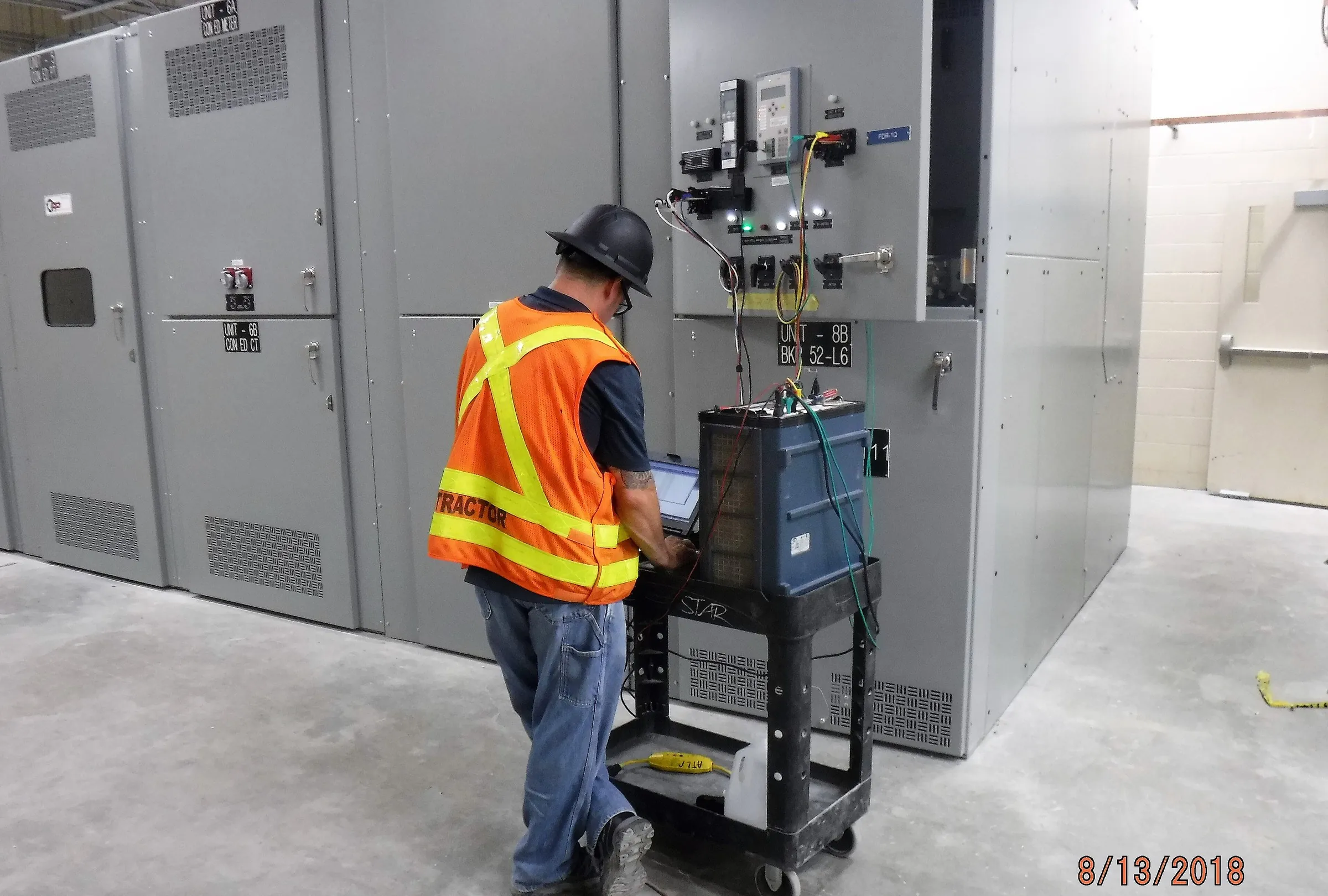
Functional performance testing exists to find gaps like this one. The General Services Administration’s commissioning guide describes testing components and systems against the owner’s requirements, going beyond installation checklists to how the finished systems operate together.
For the branch, the evidence would be measured flow and temperature, judged against acceptance criteria written for the design. Once the valve is opened, the affected test would be repeated to show the required performance. A running-pump indication is not a result.
The paperwork follows the same logic. A recorded observation, the correction and the retest evidence make a far stronger handover than a remembered reassurance, and they give the operating team something to return to.
US General Services Administration, hosted by Whole Building Design Guide
Testing the whole
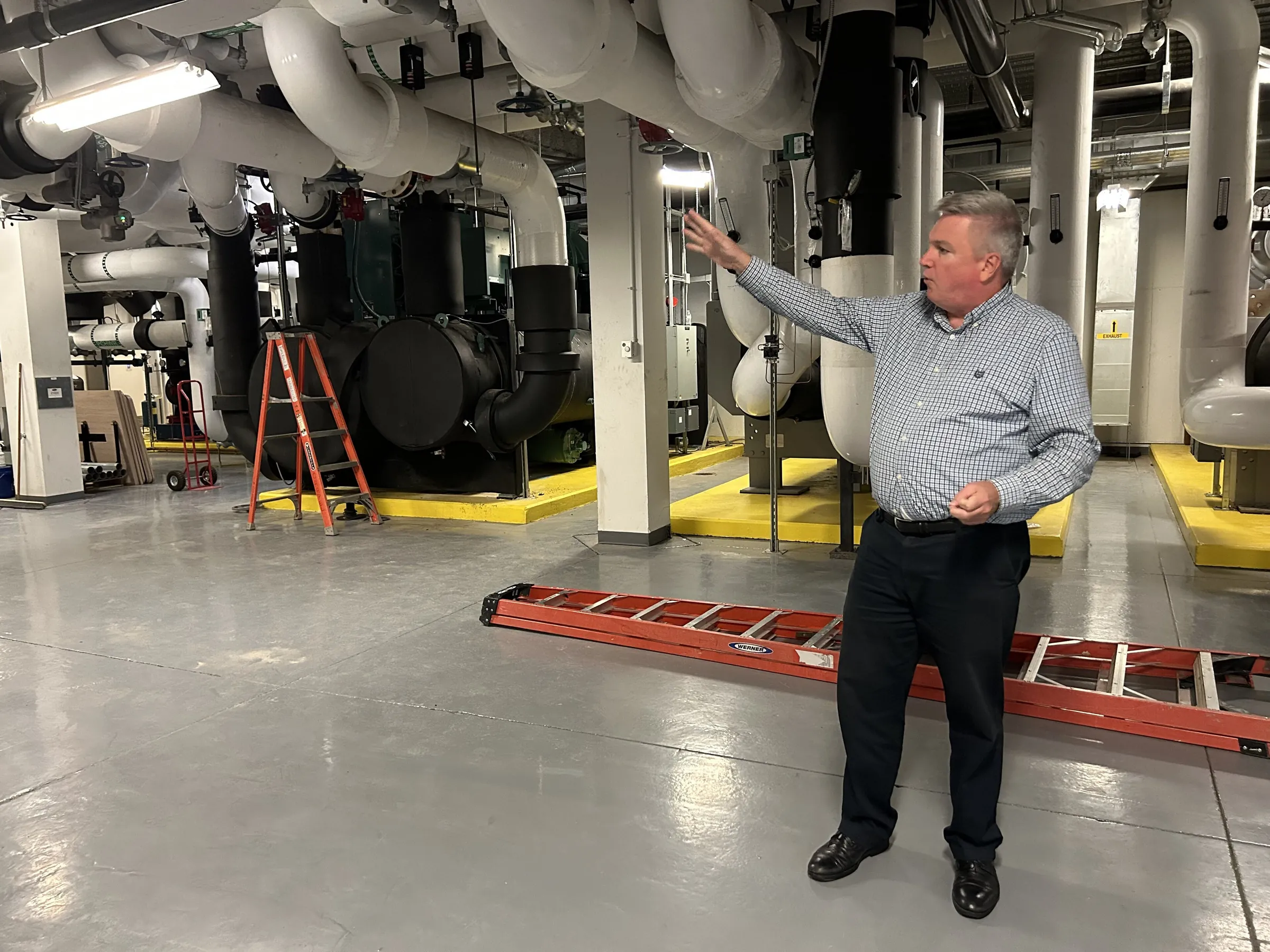
A pump, a power supply and a control sequence can each pass their own tests while their interactions still need attention. Uptime Institute’s Building Characteristics Review lists the commissioning records it examines, from factory testing of equipment through installation, functional testing and system start-up to integrated systems testing.
Integrated testing is the closest thing to a dress rehearsal. The systems perform together, through the conditions the approved test plan sets out, and the facility’s response is observed and recorded.
Finding the valve is the small part. The larger lesson is that evidence has to follow the service all the way to the load, so that a discrepancy is understood, corrected and documented before customers depend on it.
Sources
- GSA Commissioning GuideUS General Services Administration, hosted by Whole Building Design Guide · September 2020
- Building Characteristics Review: Commissioning DocumentationUptime Institute · Accessed 23 October 2026
Company sources describe their own work and terminology. Our editorial approach