Start with the service, then the site
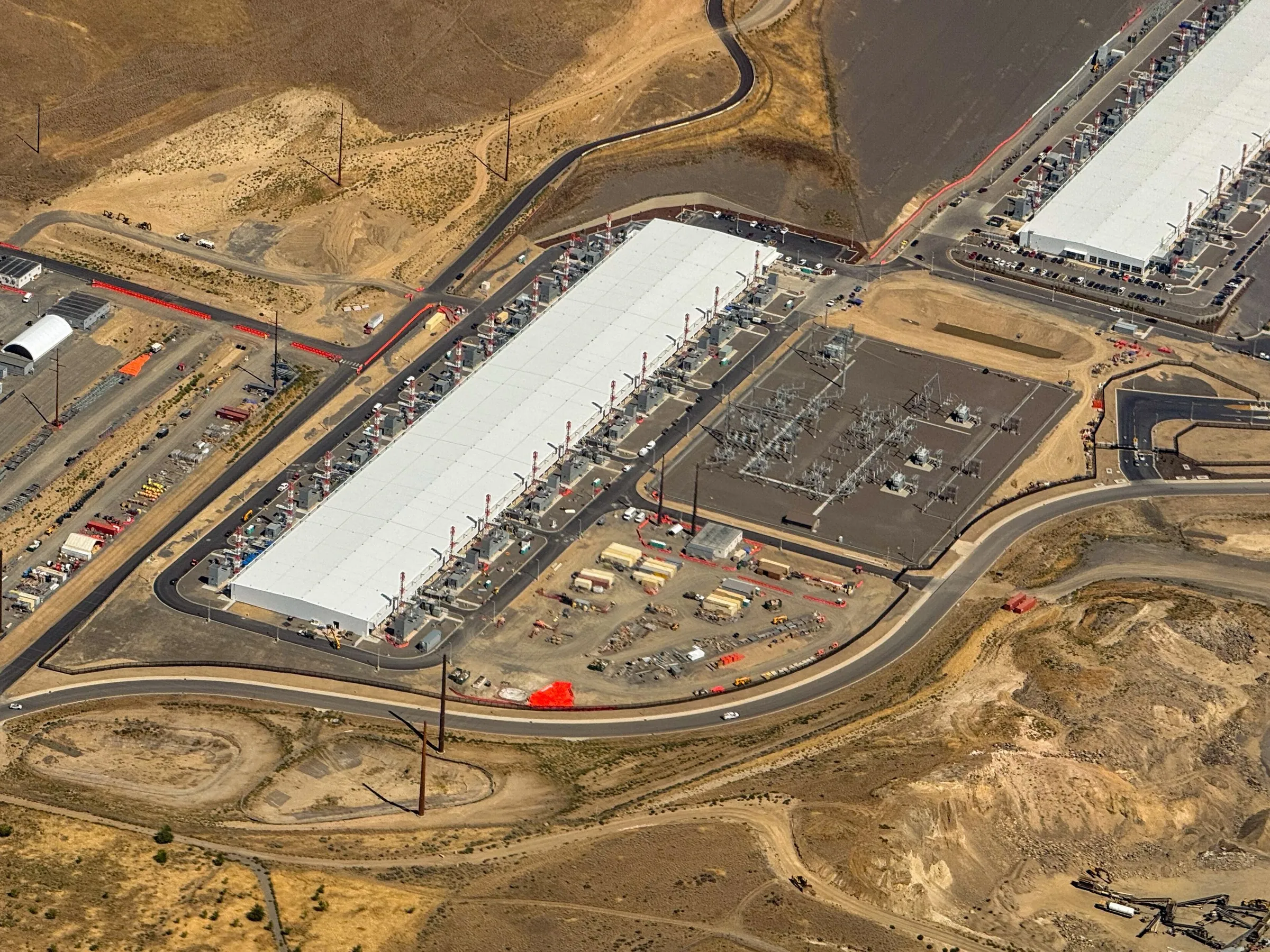
An empty plot can look like abundant capacity. A data center needs something more specific: a place where a defined service can operate, expand and recover from failure. Start with the work it will support. A latency-sensitive application, a large training job and a regional colocation facility need not value the same location in the same way.
Land belongs in a wider project plan. In July 2025, the US Department of Energy selected four federal sites for potential AI and energy projects, with further site-specific solicitations to follow. That announcement concerned a development process, not four operating data centers. The distinction is useful everywhere: land identified, permissions obtained and service delivered are separate milestones.
Ask for the power plan behind the number
A nearby transmission line is a reason to ask questions, not evidence that a campus can connect to it. What capacity could be supplied, at which connection point, on what schedule, and subject to which works? Dominion Energy, for example, describes preliminary electrical infrastructure evaluation as part of its site-selection support. That is a utility-specific process, not a universal promise of capacity.
Compare candidate sites with the same load assumptions. Separate the opening phase from the eventual campus, the IT load from the whole facility, and a request from an agreed supply. Put unresolved dependencies beside each date. A large eventual allocation is not interchangeable with a smaller supply that can actually serve the first occupied hall.
Read the watershed as carefully as the map
A global water-risk map is useful for screening locations. WRI’s Aqueduct FAQ describes catchment-level indicators and cautions that baseline maps are not real-time conditions. A low-risk colour is therefore not a water entitlement or a site survey.
The next questions are local: which supply would the project use, under what restrictions, and what happens during a dry season? Check the cooling design against that answer. The same comparison should cover flooding, access routes and the consequences of a regional interruption. Record who has assessed each risk and what remains an assumption.
Design for the climate you actually have
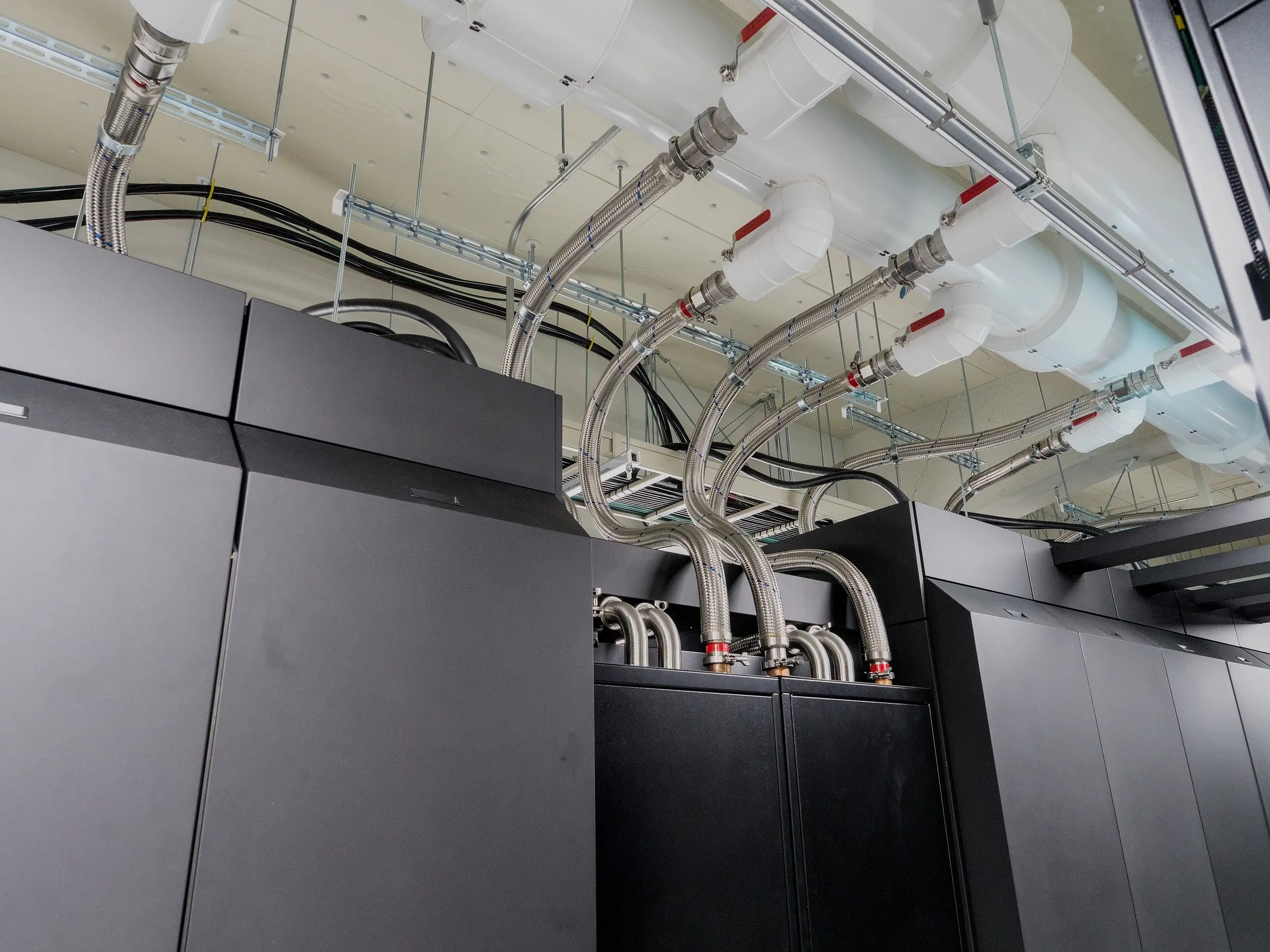
Cooling is part of site selection, not a decision to postpone until the building is drawn. The US Department of Energy’s design guide connects IT conditions, air management, liquid cooling and heat rejection. A useful comparison follows heat all the way out of the facility rather than stopping at the cold plate.
Ask the design team to state the outdoor conditions used, the water and electricity required across seasons, and how performance changes during maintenance. A location with a cool annual average still needs a credible hot-day design. Potential heat reuse also needs a nearby customer, a usable temperature and a practical connection; proximity alone does not make a heat network.
The final comparison is a chain of dependencies
Build a short evidence sheet for each candidate: land and access, power delivery, cooling resources, physical network routes, approvals, construction logistics and operating staff. Give every line an owner, a date and a stated condition. This is an editorial comparison method, not a universal site certification.
The most attractive site on a map may still have the weakest unanswered dependency. A useful decision explains which limitations can be managed, which require further investigation, and which prevent the proposed service from working there. Global coverage starts with consistent questions, not a single city ranking.
US Department of EnergyDominion EnergyUS Department of Energy
Sources
- DOE announces site selection for AI data center and energy infrastructure development on federal landsUS Department of Energy · 24 July 2025
- Data Center Requests: site-selection and infrastructure supportDominion Energy · Accessed 29 October 2026
- Aqueduct FAQWorld Resources Institute · Accessed 29 October 2026
- Best Practices Guide for Energy-Efficient Data Center DesignUS Department of Energy · July 2024
Company sources describe their own work and terminology. Our editorial approach